
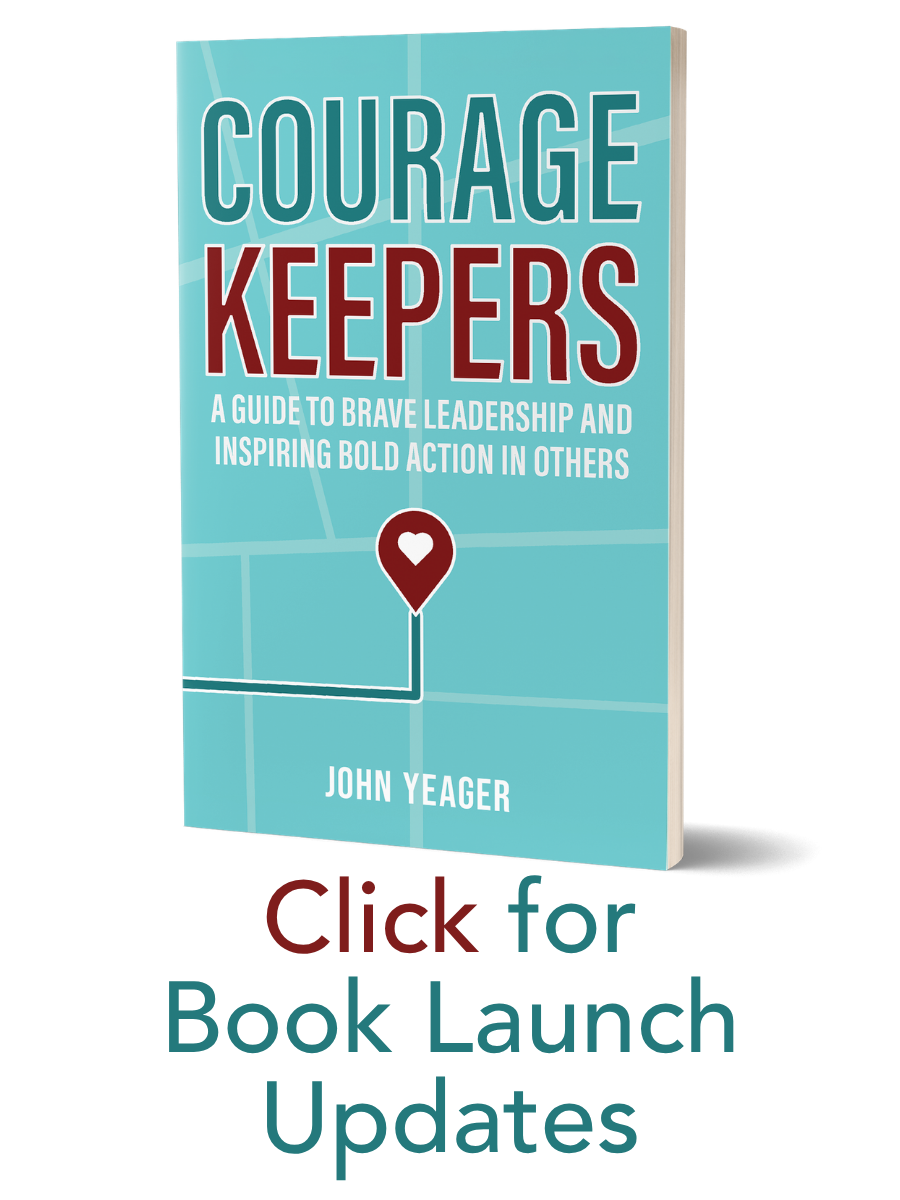

As a teacher, coach, counselor, advisor, supervisor, manager, or director, become the courageous leader you aspire to be—someone who makes bold decisions and empowers others. By providing strategic guidance, mentorship, and motivation, you’ll help others develop their own “courage muscles,” becoming stronger decision-makers and more effective collaborators.
Courage is often seen as a fearless action, but it is a much more nuanced process. It is developed through consistent habits and a strong internal framework, the “Courage GPS” that equips us to act decisively when necessary. Courage involves the willingness to act in the presence of risk and to be vulnerable by acknowledging our fears, uncertainties, limitations, and imperfections. It is a conscious choice motivated by a sense of duty or commitment to ourselves, others, our communities, and the greater good.
Courageous action is rarely an impulsive, split-second decision. It often requires a degree of mental and emotional preparation that takes time and effort. It is a well-developed internal framework that prepares us to act decisively when needed. It involves the mental and emotional work we do each time we push beyond our comfort zone – we take risks, we face our fears, and step outside our routines. As we develop consistent habits, it becomes our pattern, making us more resilient, increasing our threshold for bravery, and enabling us to manage even more challenging situations. There are no simple “just add water” methods for developing our Courage GPS. However, there are incremental and actionable steps we can take to define and strengthen it.
I drew on proven concepts in the initial development of the Courage Roadmap theory and then conducted in-depth interviews with students, teachers, parents, coaches, supervisors, managers, and directors. The three steps are:

“In a world that often celebrates bravado but forgets the quiet, essential work of cultivating real courage, John Yeager and The Courage Keeper stand apart. John’s approach equips individuals and teams with the tools to navigate uncertainty, lead with integrity, and build cultures rooted in character and care. His work is not only inspiring—it’s transformational.”
G- Growth - Identify Risk and Track Thoughts, Feelings, and Physical Responses
Growth represents the continuous evolution of our mindset, resilience, and self-belief. It is a commitment to building self-awareness and paying attention to the real-time signals we receive through our thoughts, emotions, and bodily responses when risk is apparent. This is about agency, the capacity to influence our thoughts, feelings, body responses, and actions.
P- Pathways - Recognizing and Choosing the Route(s)
Unlike a single direction, the GPS provides multiple routes to our destination. Pathways represent the various strategies, perspectives, and choices available to us. Courage isn’t “one size fits all”—it might look like a difficult conversation today or a quiet boundary we set. The pathways are behaviors that we can practice in calm times when we are not experiencing risk. That practice enables us to draw on these behaviors in times of need so that we can respond consistently to fears with courageous action.
S- Shift to Action - Identify New Thoughts, New Feelings, New Physical Responses, and a New Action Pattern
The Shift tells us our location and guides our following action. This is an integrated feedback loop that helps make a behavior stick. By identifying our thoughts, feelings, and bodily reactions to the specific risk and calling upon one or more Courage Pathways to support working through the fear, we can develop new action patterns. It can move us beyond limiting beliefs and thoughts that triggered the initial event and help us transition from feeling fear and thinking. For example, “I am threatened and don’t have a coping plan,” to “I will focus on what brought me past successes, which makes me feel energized, confident, and upbeat.” This is about adopting a more constructive action pattern.
The Courage Lab
Lead and Empower Seekers to Build their Courage Muscles
The Courage Lab is a set of conversations between the Keeper and the Seeker. As a Courage Keeper, you prompt the Seeker to discover, recognize, and further develop their courage footprint so they have more tools to make a courageous decision when necessary. You utilize the Courage Lab components: Engage, Listen, and Guide.

Engage
You encourage open communication and vulnerability by sharing your own stories of courage.
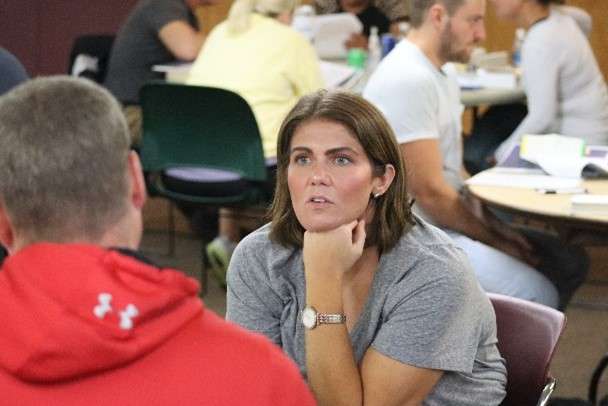
Listen
You create a space for Seekers to share their challenges and their thoughts, emotions, and physical responses openly.
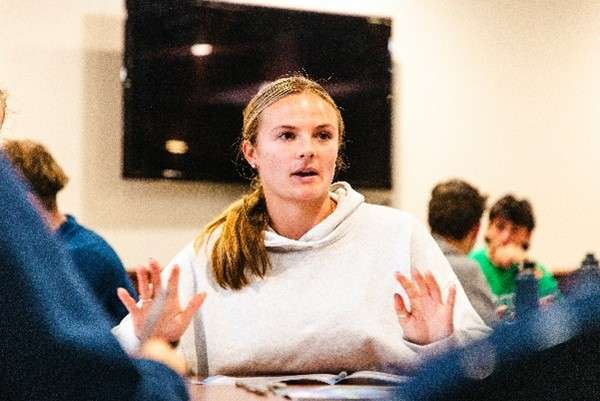
Guide
You leverage the Courage GPS model to empower Seekers and guide them to make brave decisions.